Why Your Small Business AI Strategy Is Failing (And How to Reclaim Control)
Introduction
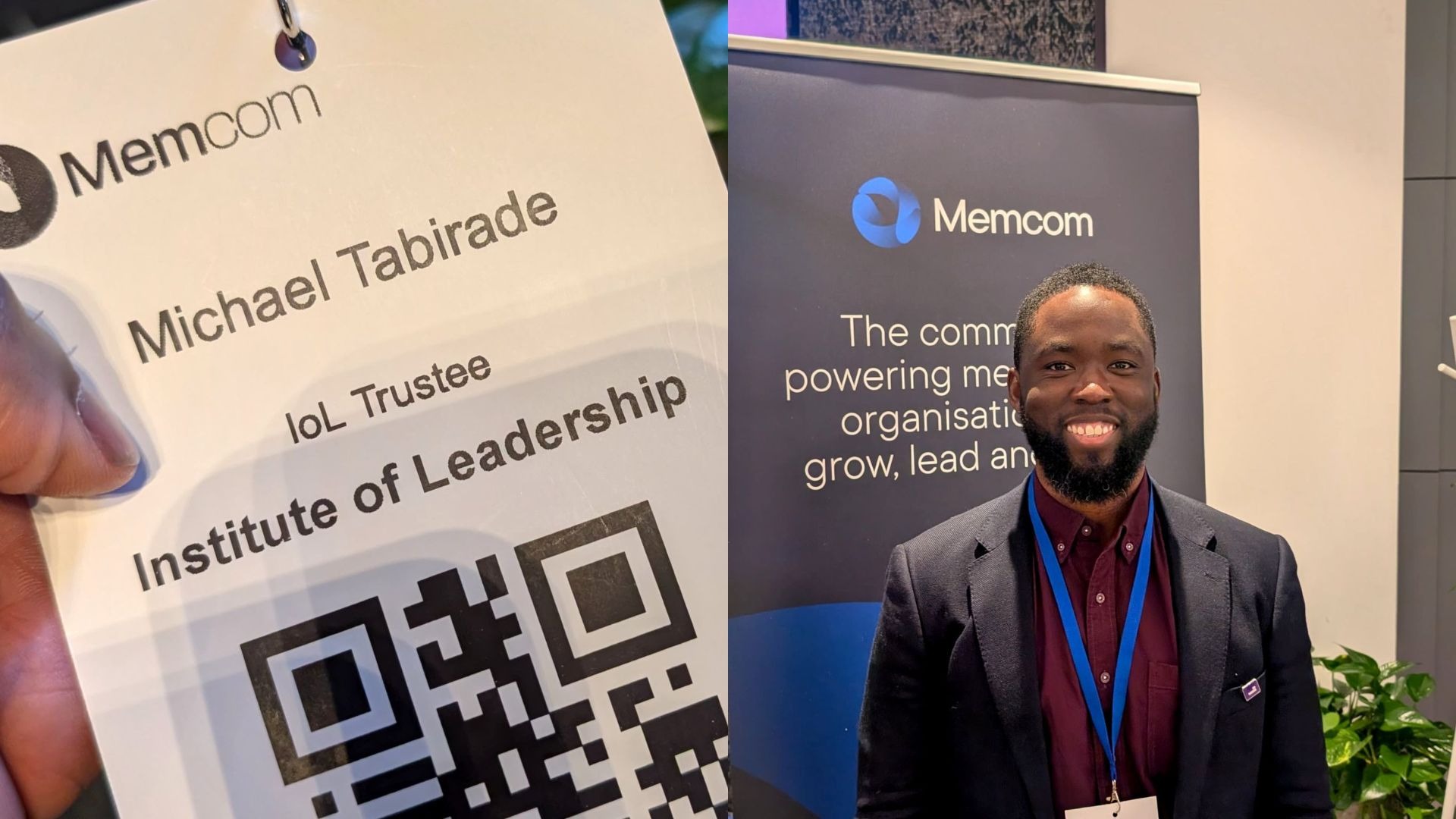
Last week, I attended the Trustee Exchange and Memcomm events in London, surrounded by leaders of small to medium enterprises and charities. Underneath the polite networking and warm handshakes, a heavy anxiety hung in the room.
These organisations, typically generating between £15 million and £55 million a year, are feeling an immense squeeze. They are pouring funding into digital transformation, attempting to integrate new learning management systems, central CRMs, and figure out a cohesive small business AI strategy. Yet, many of the leaders I spoke with still feel entirely overwhelmed and misaligned. They are chasing trends but losing their core identity in the process.
In this article, I will share exactly why adding new technology to a fractured foundation is a mistake, and how you can ruthlessly prioritise your strategy to actually generate revenue and build a community that lasts.
The pressure to modernise right now is relentless. Executive stakeholders and political shifts are demanding more output year on year, forcing organisations to either generate significantly more income or dramatically cut spending.
I have sat in discovery calls with professionals who see this panic firsthand. Leaders are rushing to adopt automation without asking why, hoping a hastily assembled small business AI strategy will fix deeper operational issues. They are fragmenting their focus, chasing far too many income streams with far too little return. I see businesses trying to cater to everyone, diluting their value proposition until they become entirely invisible to the people who actually need them.
This lack of focus creates a systemic exhaustion. When an organisation depends on habitual spending, relying on older demographics who pay for memberships purely by association, they hit a wall. Millennials and Generation Z do not buy into pressure tactics or old habits. If an offer does not actively help them save money, make money, or feel genuinely connected, they simply walk away.
Observing this disconnect clarified a vital principle for me. AI and technology do not fix weak fundamentals; they expose them.
If your core operations are messy, implementing an agentic AI tool will only automate that mess. A truly effective small business AI strategy starts before you ever touch a piece of software. Strategy is simply the unique approach you take to create value for a specific group of people. Unless leadership fully aligns on your core strategy and target audience, your team will always struggle with fragmented execution.
Clarity Creates Confidence
The organisations quietly pulling ahead right now are not the ones with the flashiest tech stacks. The most successful brands possess sharp, defined propositions. Understanding that up to 60 percent of revenue should stem from a single, highly optimised primary stream is crucial to their strategy. Rather than becoming a multi-faceted distraction, they focus intensely on their primary goal.
They also understand the difference between transactional value and authentic community. You must provide undeniable career or business benefits, but you must also foster an environment where people feel integrated. A true community cannot be replicated by an algorithm.
If you want to step in and effectively guide an organisation, or transform your own consultancy practice, you must help leaders think clearly. Here is how you create that alignment:
- Audit revenue streams ruthlessly: Identify every source of income. Find the primary driver generating the most return and strip away the vanity projects draining resources. Focus heavily on making that primary stream undeniably strong.
- Adopt an agile strategy rhythm: The five-year plan is dead. You need an annual strategy, rolling over three years, with a light but rigorous review every single quarter. This keeps the board and senior leadership nimble.
- Define the specific buyer: Force the organisation to answer one question. Why us, for this specific person, at this exact moment in their life? If they cannot answer that in a single, clear sentence, the offer needs to be sharpened.
- Align behaviours to objectives: Values mean nothing on a wall. Ensure that every Objective and Key Result is backed by agreed-upon behaviours from the leadership team.
We are witnessing a fundamental shift in how human beings assign value. The younger generations entering the core of the economy demand a clear sense of purpose. Relatability, social intelligence, and emotional intelligence are no longer soft extras to be discussed at the end of an appraisal. They are essential marketing assets.
As we navigate complex data protection laws and incoming AI regulations, technical governance is critical. But the macro trend is entirely human. Technology is accelerating the need for bespoke context. If an organisation’s local data and operational context are poorly organised, no language model or small business AI strategy can save them. The moat of the future is built on proprietary data, rich business context, and a deep human community.

Conclusion
The anxiety in the boardroom is justified, but it is also entirely solvable. A successful small business AI strategy means you stop relying on new software to mask a lack of strategic direction.
Technology is an accelerant, but it is your clarity, your values, and your ruthless focus that dictate the direction of your growth. By stepping back to define your unique approach, you build an organisation capable of withstanding any technological disruption.
How will you create clarity before your next big decision?
Understand. Reach. Expand.
Peace.
You can access the video here